Finding Your Place in Service: Peer Advisors Connect Students to Community
By Sammie Garrity | September 23, 2026
Community-engaged service can take many forms, and Morgridge Center for Public Service peer advisors, Ashley Sachs and Malik Boyd, are working with students to figure out what form works the best for them.
Whether someone already knows exactly how they want to engage or is exploring opportunities in service for the first time, peer advisors host one-on-one meetings to connect student’s interests and schedules with opportunities on and off campus. Instead of directing students to a single form or method of service, peer advisors work to help students find an opportunity that works for them, while simultaneously encouraging them to reflect and think more intentionally about their relationship with the broader Madison community.
“Within peer advising, it’s very holistic, and the approach we take with students is very bespoke,” Boyd says.
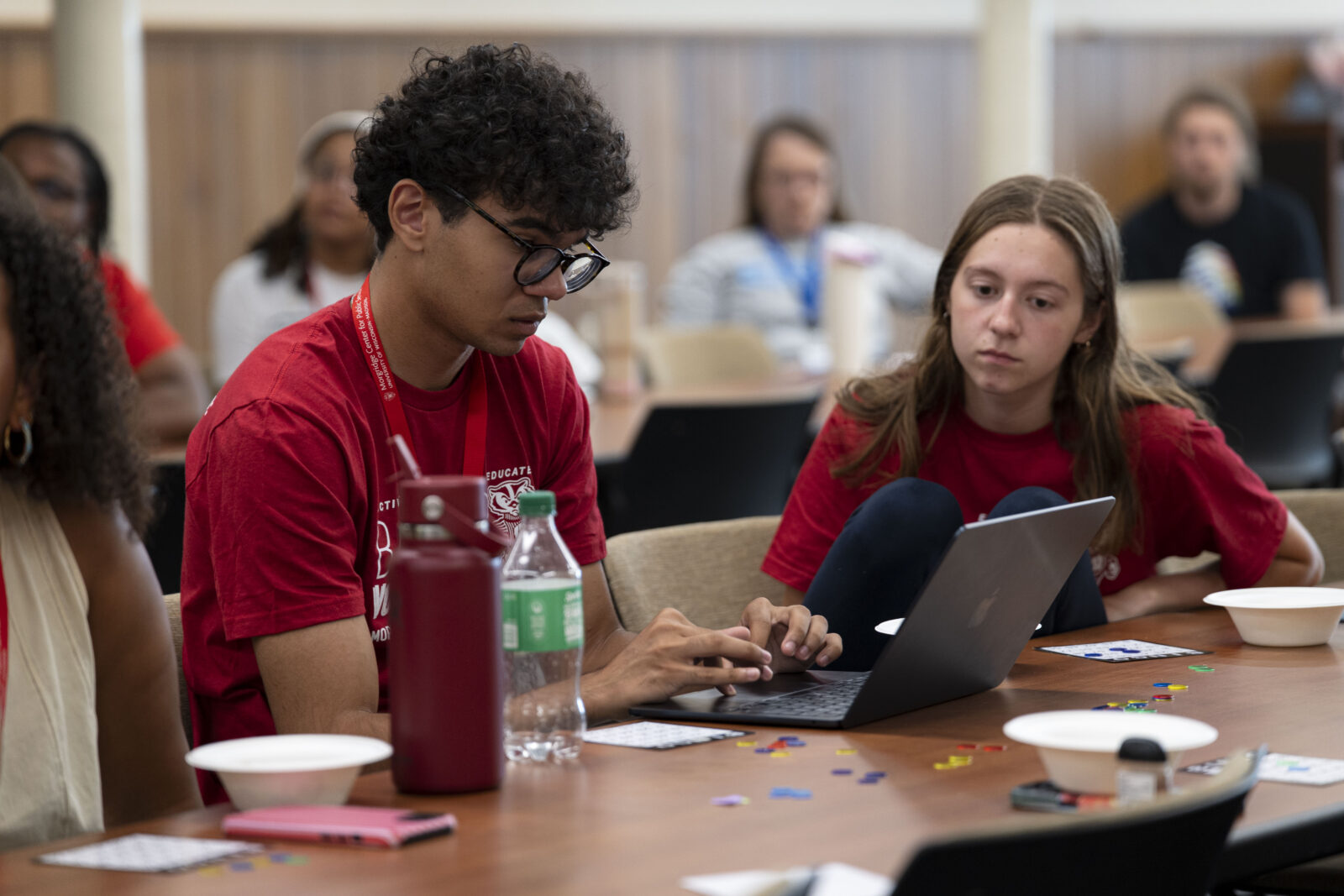
That individualized approach begins with a conversation. During an advising session, advisors start by getting to know the student, learning about their interests, previous service experience – if any – and the type of commitment they are looking for. Afterwards, Sachs and Boyd find the student their best fit within Badger Volunteers Activate, Educate, and Elevate or opportunities outside of Badger Volunteers.
“The first question is typically, ‘What’s your commitment level that you’re interested in?’” Boyd says. “And then after that, what sort of topics interest you? What are you passionate about?”
Upon arrival to the first session students don’t need to know exactly what organization or opportunity they want to pursue. Instead, it is better if they come prepared with areas of interest and a sense of how much time they want to invest.
To schedule a meeting with a peer advisor, students can go to their MyUW account, click on the Starfish tab and then search for either the Morgridge Center or a specific advisor. Sachs and Boyd are Morgridge Center-based advisors and Julissa Rodriguez is a peer advisor working in collaboration with the Office of Experiential learning. In her role she focuses on connecting with scholarship programs and their participants to build their service resume. She plans group service outings and advises on how to find service opportunities in the community and on campus.
One-on-one advising is the core of a peer advisor’s job, but as part of the Morgridge Center, that role extends beyond just advising sessions. Sachs and Boyd also table on behalf of the center at campus events, participate in community outreach, communicate and build relationships with community partners, facilitate workshops and organize other service opportunities.
The flexibility within the advising role is also a cornerstone of one program peer advisors connect students to: Badger Volunteers (BV) Activate.
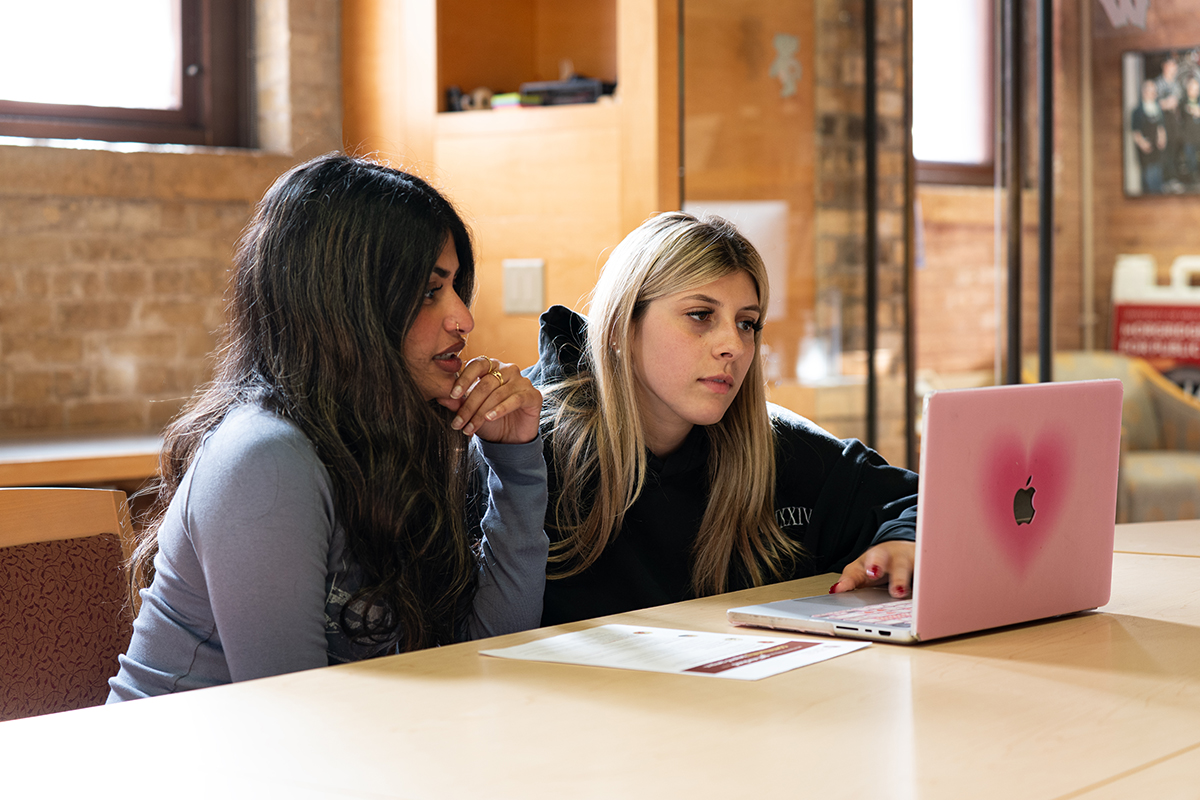
BV Activate is designed for students who want to engage in service without committing to a long-term, recurring schedule. Opportunities can start at just one hour, allowing students to choose when and how they participate.
“It’s great for people who have really tight, abnormal schedules, or people who just want to dip their toes into volunteering,” Boyd says. “The commitment you make is just to the event that you signed up for.”
Students interested in BV Activate can join the program’s GroupMe where peer advisors share upcoming opportunities, short event descriptions and sign-up links. The GroupMe also connects students with events and service opportunities happening beyond the UW–Madison community. Students can find the GroupMe and BV Activate events through the Badger Volunteers Activate page on the Morgridge Center website.
Joining BV Activate doesn’t mean students need to know what service area they want to participate in. Instead, participants can follow the event schedule and decide which opportunities fit their interests and schedule.
Boyd believes that flexibility goes beyond accommodating schedules, noting how different forms of service can help students better understand where their own interests and skills intersect with the needs of the community.
“BV Activate allows you to get exposure to so many different sides of the community and to many different types of volunteering,” Boyd says. “It allows you to reflect on what you’re good at, what you’re passionate about and how your service can best impact those around you.”
These opportunities can also introduce students to parts of Madison they wouldn’t have known about otherwise.
“We’re very intentional about creating opportunities off campus or with partners that are connected to the greater Madison community,” Sachs says. “I think that’s something that Activate does really well.”
Sachs experienced that firsthand while volunteering with Extended Hands Pantry. Working alongside people with longstanding relationships with Dane County residents helped turn an idea she already understood — that UW–Madison campus feels like a bubble — into something more tangible.
“There is so much more to the Madison community and to the people in the Madison community than just our campus,” Sachs says. “Service has been a way for me to really connect and gain a deeper understanding of what it’s like for people who have lived here for a long time.”
That perspective connects to another tenet of the Morgridge Center and the peer advisor role: approaching service and community engagement with humility. For Boyd, that means recognizing that service is about reciprocal relationships not saviorism.
“You need to view yourself as a learner or a helper rather than a fixer,” Boyd says. “People engage in volunteering because they want to do good and they want to fix problems, but you’re partnering with community partners who are already experts. You’re there to learn.”