
Graduate Student Resources
The Morgridge Center for Public Service seeks to broadly support community-engaged scholarship (CES) at the University of Wisconsin–Madison. CES redefines scholarly work from application of academic expertise to involving the faculty or instructor in a reciprocal partnership with the community.
The Morgridge Center offers many resources for graduate students to participate in community-engaged scholarship
We’ll connect you with the community and provide you with classes and resources to help your CES flourish. This includes: workshops, community-based learning and research grants, modules, and discussing potential partnerships or best practices for integrating community into teaching and research.
For up to date information on all our events, offerings, and news, subscribe to our Engaged Scholars newsletter.
Questions? Contact Assistant Director of Community-Engaged Scholarship Dave Lassen.
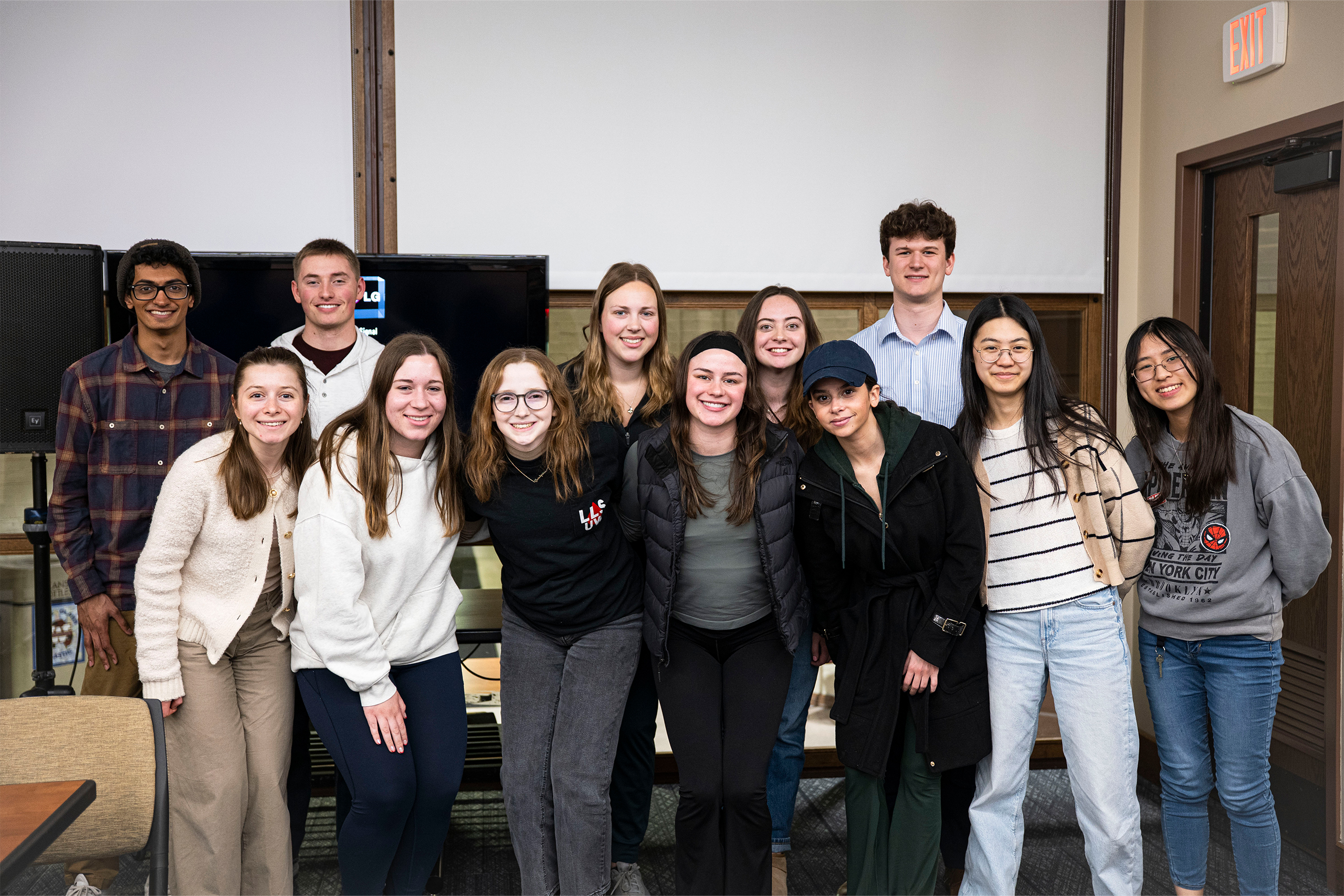
Early Career Fellows
The Early Career Fellows program is to further institutionalize and support community-engaged scholarship at the UW–Madison. Community-engaged scholarship (CES) is defined as: teaching, research, and scholarly activities that are performed in equitable, mutually beneficial collaboration with communities and community members to fulfill campus and community objectives.

Workshops and Events
The Morgridge Center plans a series of workshops for faculty and staff, based on what community-based learning instructors have shared they would like more support with. This series showcases the breadth of community-based research on campus by providing in-depth examples of current research as it relates to students learning outcomes, community impacts and theoretical exploration.
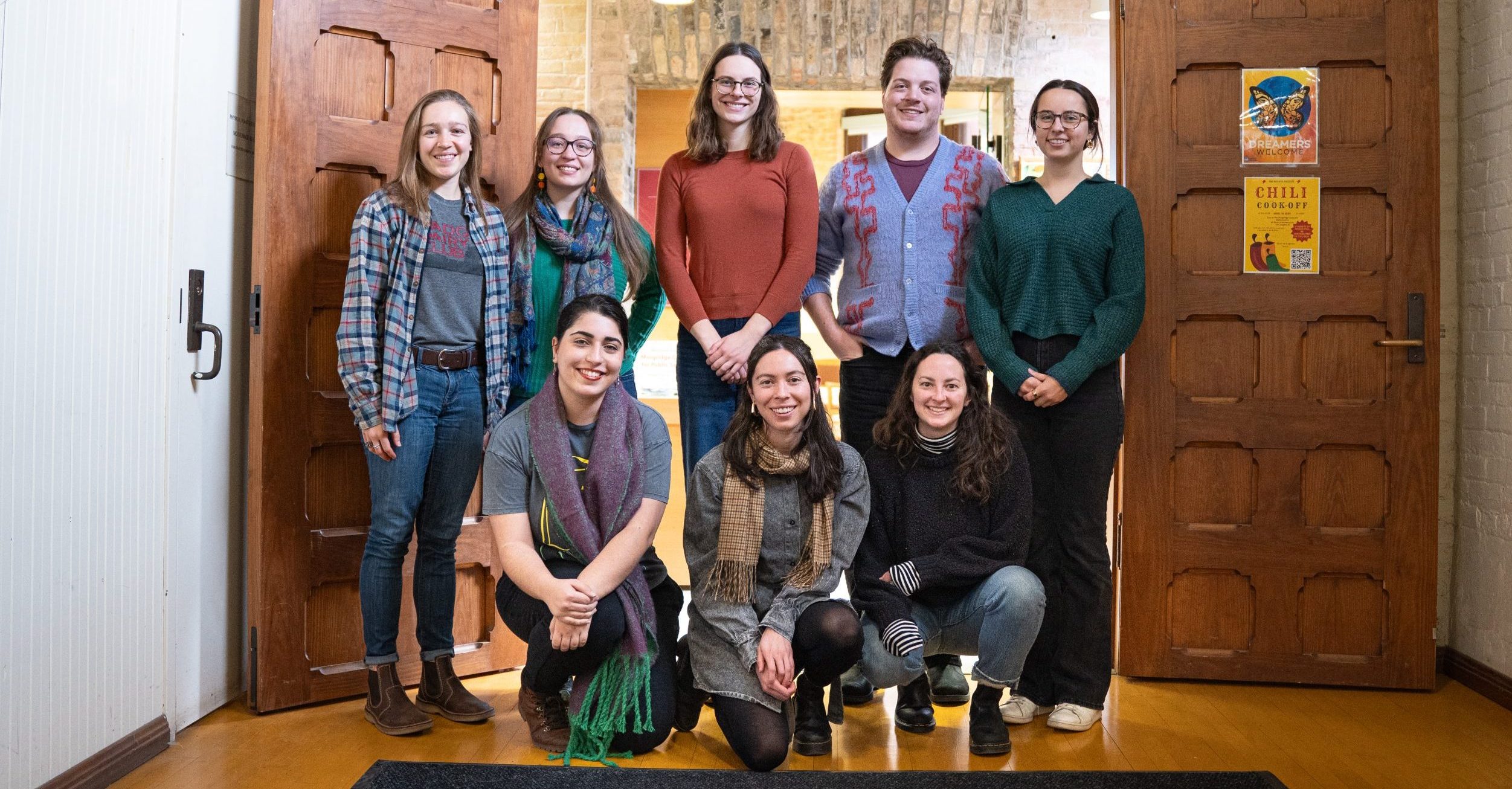
Counseling Psychology
Counseling Psychology 601 is shaped according to the interests of participants. Topics covered include: critical community-engaged scholarship, navigating the IRB while doing community-based research, exploring careers outside the tenure track, and conflicts of doing work in the community, and balancing the needs of all partners involved in courses or projects.
Certificate in Community-Engaged Scholarship
The graduate certificate/doctoral minor in Community-Engaged Scholarship (CES), hosted by the Department of Civil Society and Community Studies with support from the Morgridge Center, is a 9-12 credit program to train graduate students in CES, defined as teaching or research done in collaboration with community organizations or community partners in equitable, mutually beneficial, respectful relationships.
Through this program, students will feel confident to teach Community-based Learning courses, conduct community-based research, and/or lead community engagement initiatives.
There are a variety of course offerings designed to meet your needs. Learn more.
Additional Campus Resources
Badger Volunteers is a semester-long program that pairs teams of students with community organizations (schools, nonprofits, municipalities) to volunteer 1-4 hours each week at the same organization. Any UW–Madison student can sign up for the program in the first week of each semester.
Developing your thesis or dissertation committee is an important task for any graduate student. This is especially true for graduate students doing community-engaged work, as other committee members may be unfamiliar with community-based approaches. Dr. Dave Lassen has served on committees for master’s and doctoral students doing community-engaged scholarship for their degrees. If you would like to talk with Dave about developing your committee or the possibility of her serving on your committee, please reach out to him.
At WISCIENCE, the Wisconsin Institute for Science Education and Community Engagement, we build and support communities of STEM learners, leaders, and practitioners. They deliver courses and programs in STEM disciplines that develop knowledge and skills for success in STEM; build STEM identities and confidence; provide professional development and engagement opportunities in teaching, community engagement, leadership, and research in STEM.
The Community Advisors on Research Design and Strategies (CARDS) experience is a unique and exciting way to get valuable, actionable, candid feedback on how to make materials clearer, more engaging, more inclusive, and easier to read. CARDS meetings are centered in principles of equity, inclusion, and reciprocity. They strive to facilitate dynamic and impactful interactions between CARDS and the research teams.
The Catalysts for Science Policy is a student group at UW–Madison interested in educating about, engaging with, and advocating for science policy.
The Center for Community and Nonprofit Studies (CommNS) is a hub for collaboration and exchange among faculty, students, and community partners. The CommNS fosters work and learning partnerships that advance the well-being of communities, as well as the civic and nonprofit sectors.
UniverCity Alliance’s mission is to improve the quality and visibility of UW–Madison’s education, research, and service contribution to the high-road development of local communities that reflects the values of equity, democracy, and sustainability.
The UW South Madison Partnership (UWSMP) is a UW–Madison initiative designed to meet the South Madison community’s needs and foster mutually beneficial relationships. Located in The Village on Park, the space recently underwent an expansion and encourages engagement between community members and UW–Madison in accessible and meaningful ways.
There are many units across UW that engage local and global communities and offer opportunities for graduate students to get engaged. A list of campus units with explicit community-engaged missions is located here.