For First-Generation Badgers, College Is About More Than a Degree
By: Sammie Garrity l November 6, 2026
For University of Wisconsin–Madison students Joslyn DeGuzman and Daily Yang, being first-generation college students means more than just pursuing a degree. It is about building on their families’ experiences, exploring new opportunities and finding a sense of belonging along the way.
As Badger Volunteer (BV) interns with the Morgridge Center for Public Service, both are finding ways to carry their personal experiences into their work, helping connect fellow Badgers with opportunities to engage in the greater Madison community in a meaningful way.
In recognition of National First-Generation College Celebration Day, DeGuzman and Yang reflect on their journeys to UW–Madison, the communities that have supported them and how their backgrounds continue to shape the way they approach education, relationships and public service.
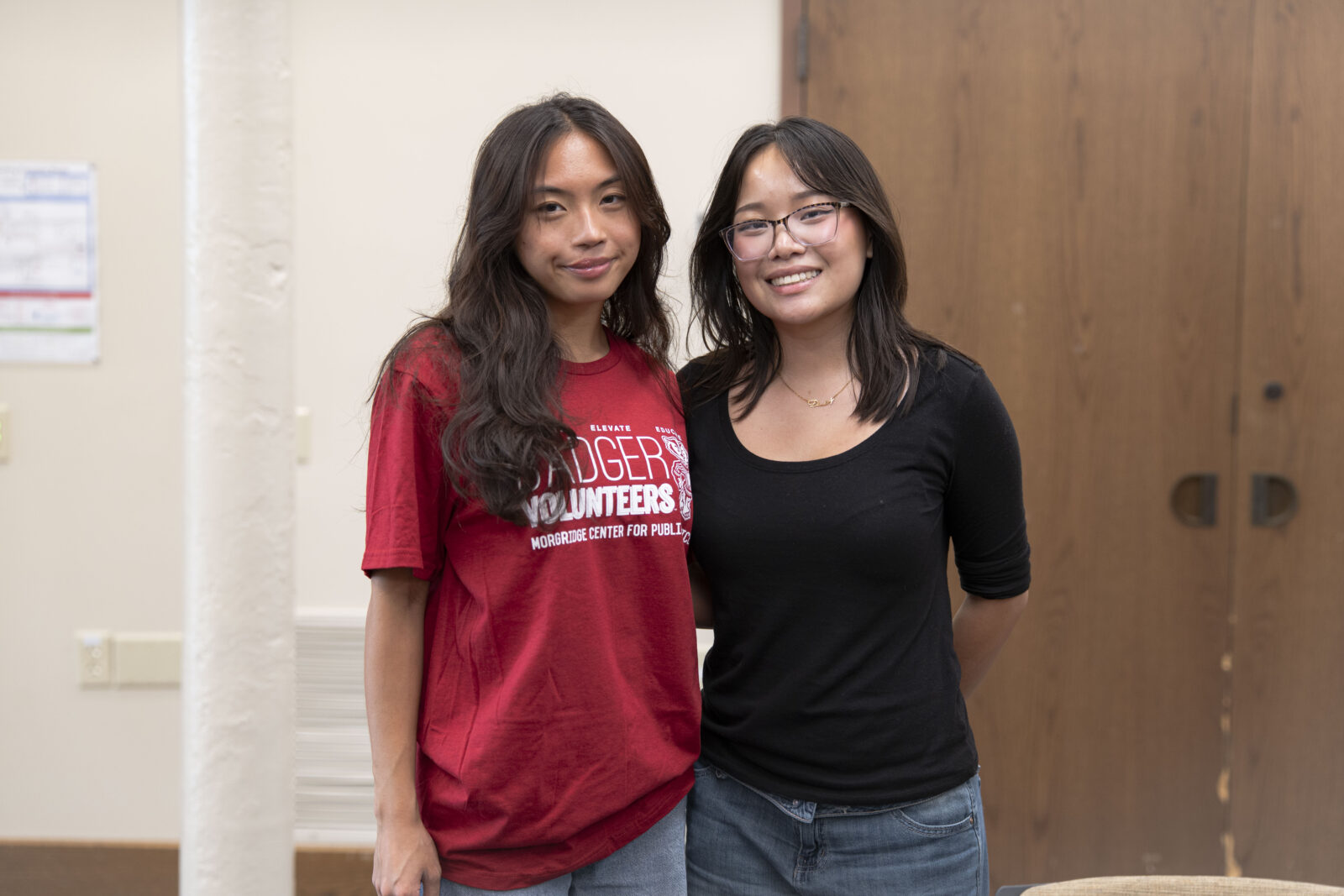
DeGuzman is a data science and economics major pursuing a certificate in computer science, and her path to UW–Madison began far from Madison. Born in South Carolina and raised in New Jersey, she grew up actively involved in her community, including years spent in Girl Scouts. Although UW–Madison was initially one of many universities she applied to, her acceptance into the Mercile J. Lee Scholars Program helped solidify her decision to become a Badger.
The opportunity to join a smaller community of scholars within a large university made moving across the country feel less intimidating.
Yang, a consumer behavior and marketplace studies major, grew up in the Milwaukee area after her family immigrated from Laos. With an older sister who attended UW–Madison, Yang was already familiar with campus through family visits throughout high school. From the start, Madison was one of her top choices as she looked forward to following in her sister’s footsteps.
Despite taking different paths to Madison, DeGuzman and Yang share a deep appreciation for the opportunities their families helped make possible.
DeGuzman’s parents immigrated from the Philippines and Vietnam, and both pursued higher education after arriving in the United States. However, financial circumstances prevented them from completing their degrees. Growing up with parents who valued education but were unable to finish college themselves gave DeGuzman an additional sense of purpose in pursuing her own degree.
“I think that played a part in me wanting to complete my degree,” DeGuzman says. “To do it for myself, but also to finish what they started.”
Breaking Traditional Cultural Barriers: Pursuing Higher Education
For Yang, attending college represents something that extends beyond herself. Growing up in a traditional household, she was taught that women in her family’s culture were not always encouraged or even able to pursue higher education. Her parents, however, made it clear that they wanted her to have those opportunities, regardless of the path she chose.
“It’s very empowering,” Yang says. “I’m very grateful that I get this opportunity to attend college, and that I get to feel like it’s definitely something that my parents wanted for me too.”
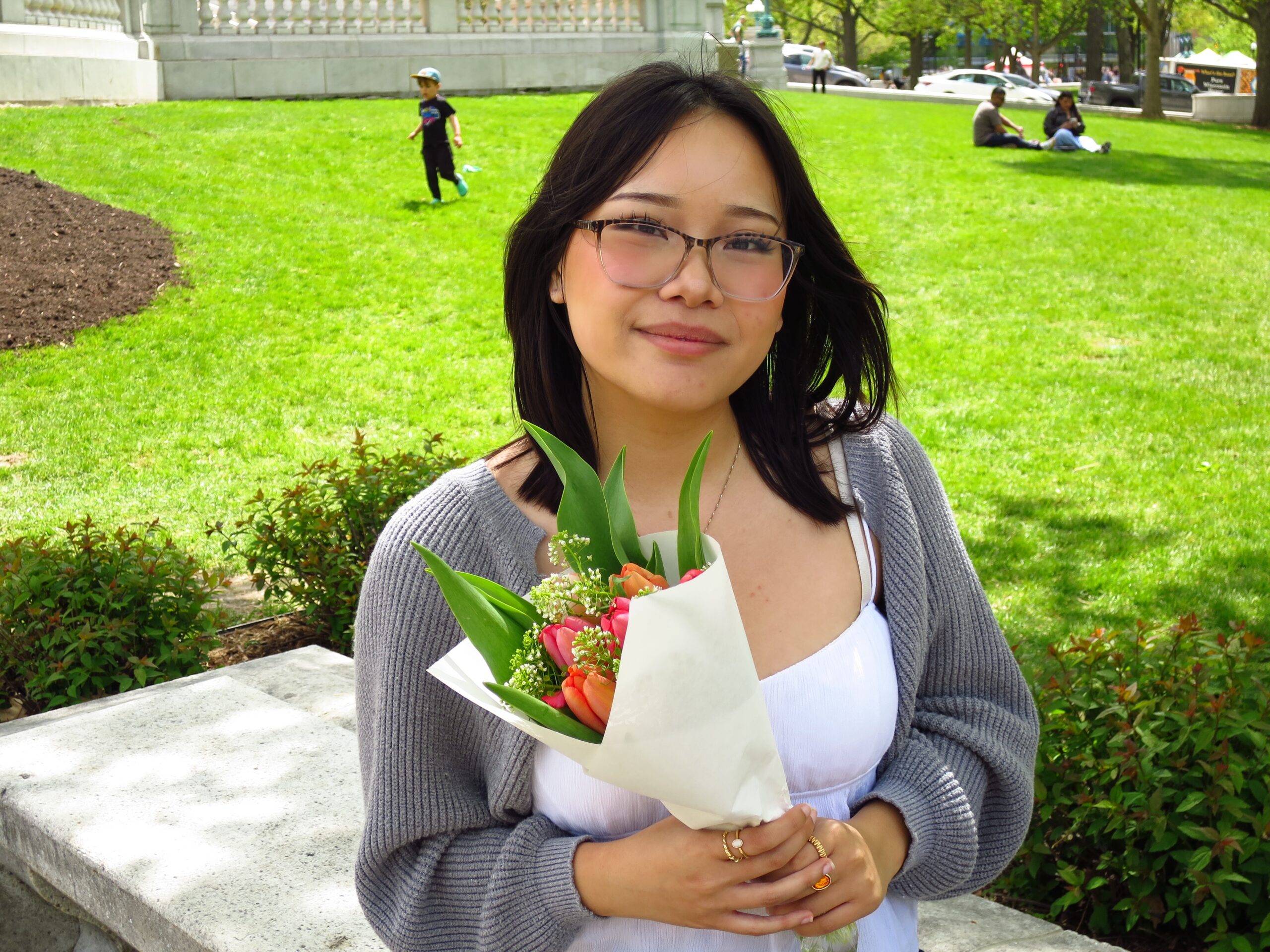
While both grew up with strong family support, navigating the university environment came with its own set of obstacles. Without parents who had completed college to guide them, finding resources, building relationships and establishing a sense of belonging often meant learning to navigate unfamiliar situations on their own.
One of Yang’s biggest concerns about coming to college was whether she would find people who understood her. Coming from a low-income, first-generation household, she worried about finding a community and fitting in at a large university with students from different backgrounds and experiences.
“I had this preconceived perception of, ‘I don’t know if I’ll be able to fit in at a large Big Ten school,'” Yang says.
However, by taking advantage of campus resources like the Center for Academic Excellence and the Hmong American Student Association, her concerns quickly faded. Surrounded by students with similar cultural backgrounds and educational experiences, Yang found a sense of belonging and was motivated to pursue opportunities that previous generations weren’t afforded.
Finding Community: From the East Coast to the Midwest
DeGuzman underwent a similar transition, though moving from out of state presented its own set of challenges. Beyond adjusting to a new environment, she also found herself having to seek out campus resources and opportunities that many students typically learn about from their parents.
Her involvement with the Vietnamese Student Association (VSA) became an important part of that transition. Through the organization’s Big-Little mentorship structure, DeGuzman connected with an older student who helped her navigate her first year academically and socially. The relationship developed into a lasting friendship, providing the kind of guidance and reassurance that made a large campus feel more personal.
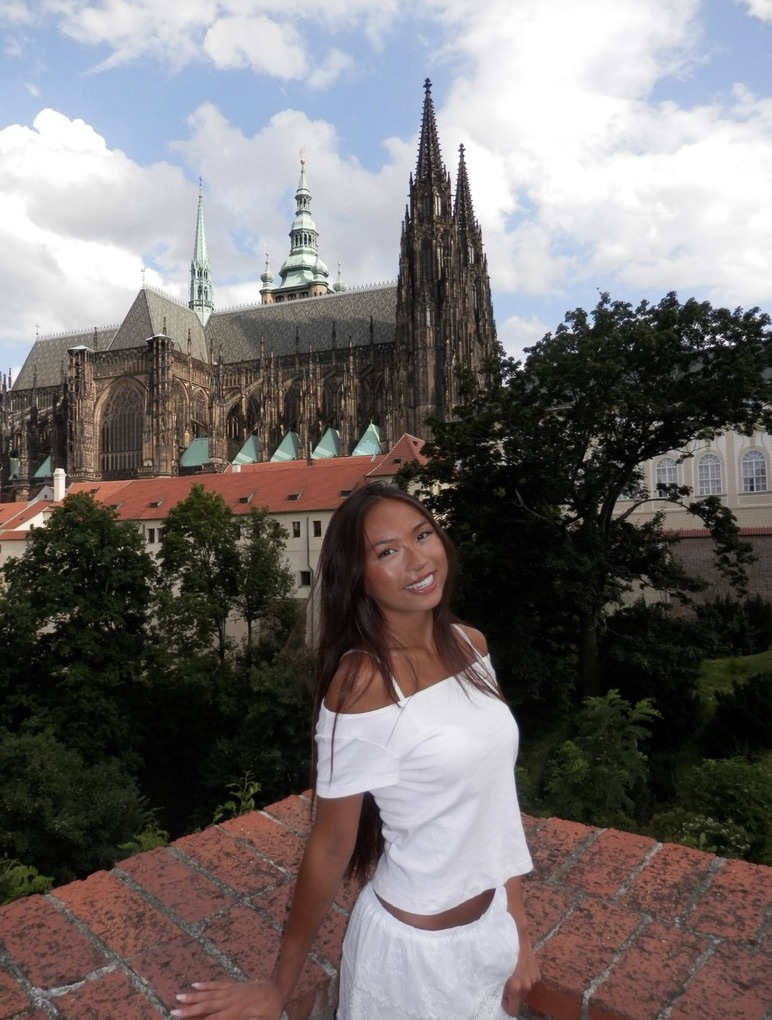
But the organization also offered something she hadn’t necessarily expected: an opportunity to teach her family more about their own Vietnamese heritage.
Having grown up in a predominantly white community, DeGuzman had limited opportunities to connect with others who shared her cultural background. Her mother, who immigrated to the United States at a young age, had also grown up somewhat disconnected from Vietnamese culture.
Through VSA, DeGuzman began learning more about Vietnamese traditions and celebrations, even purchasing her first áo dài, a traditional garment, for a campus event. More importantly, she has been able to share some of what she has learned with her mother, teaching her about Vietnamese cultural celebrations and bonding over their shared background.
“I did find a lot on the Madison campus from other Vietnamese students that I wouldn’t have learned otherwise,” DeGuzman says.
What started as a desire to find a sense of belonging became an opportunity to reconnect with her heritage and bring those experiences back to her family.
A First-Generation Student Perspective
For both DeGuzman and Yang, finding community has also influenced how they approach their work at the Morgridge Center, particularly in helping younger students navigate their own educational experiences.
DeGuzman first became involved with the Morgridge Center during her sophomore year, volunteering as a math tutor at Madison East High School. During her first semester, she worked closely with two students who had recently immigrated from Senegal, helping them navigate academic challenges while adjusting to an unfamiliar education system.
At first, their tutoring sessions were almost completely silent. When DeGuzman asked questions, the students would often respond by writing their answers on paper rather than speaking. Over time, however, those interactions began to shift. The students started sharing their grades and proudly bringing quizzes to their sessions. They also started opening up about their lives outside the classroom, allowing DeGuzman to share advice on adjusting not only to the education system but also to American culture and society as a whole. For her, witnessing that transformation showed how meaningful consistent mentorship and personal connections can be.
“It was so impactful seeing how being a mentor or just being there for a student can really transform them as a person, and help grow that connection and relationship,” DeGuzman says.
Her own experience as a first-generation student also gave her a different perspective on what those relationships could look like. Having navigated unfamiliar academic environments herself, she understood the importance of encouragement, particularly for students who may not see higher education as an accessible or realistic option.
“I really do try to bring the work from Morgridge Center and engage with students to make them see the type of opportunities that are out there,” DeGuzman says.
A Commitment to Public Service and Community Building
Now serving as a Badger Volunteers Educate intern, DeGuzman helps coordinate tutoring opportunities and place volunteers in classrooms, allowing other UW–Madison students to build the same kinds of relationships that shaped her own experience.
Yang, a Badger Volunteers Elevate intern, also sees a connection between her first-generation identity and the work she does supporting after-school programming and tutoring opportunities in the Madison community.
Originally drawn to the Morgridge Center because of its commitment to the values Yang holds in her personal and professional life: inclusion, community engagement and building relationships. Having grown up understanding the significance of educational opportunities, she wanted to invest her time in work that could make a real difference in other people’s lives.
In her role, Yang has been able to observe how volunteers connect with younger students, including those from first-generation immigrant backgrounds. While her experience is different from DeGuzman’s direct tutor-student relationships, she also recognizes the importance of having people who understand the unique challenges students may be facing.
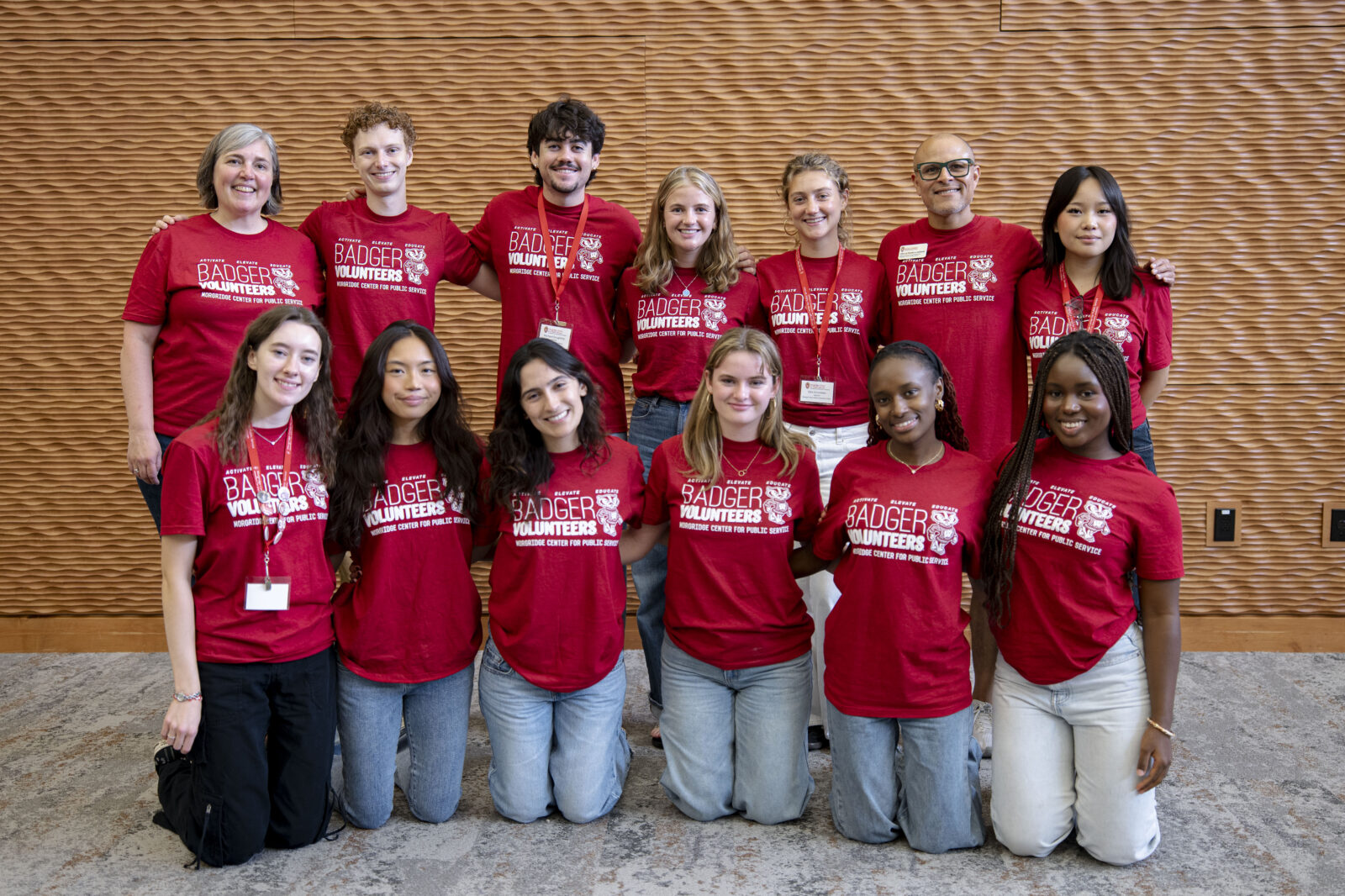
“Nobody’s story is going to be exactly the same,” Yang says. “I can definitely still sympathize and empathize with them if they were born in the U.S., or even if they weren’t.”
That understanding is at the heart of what makes Yang’s work so impactful. Her own educational journey has made her more appreciative of opportunities to help others, especially students who may be navigating unfamiliar systems or trying to envision their own futures in higher education.
Both DeGuzman and Yang recognize that being first-generation has shaped not only their time at UW–Madison but also the perspectives they bring to their communities. As National First-Generation College Celebration Week begins, both hope students feel encouraged to take pride in their identities, embrace new experiences and recognize that they have a place in higher education.
For Yang, that means not allowing an unfamiliar environment or the uncertainty of being first-generation to prevent students from exploring new opportunities.
“Don’t be scared just because you come from a first-generation background,” Yang says. “Join clubs, talk to new people.”
DeGuzman echoes that sentiment, emphasizing that finding a sense of belonging may take time, but that doesn’t mean it isn’t there.
“We belong. In classrooms, outside the classrooms, on campus,” DeGuzman says. “There’s a place for everybody here.”
Their journeys reflect the importance of celebrating first-generation students not only for the barriers they overcome, but also for the relationships they build, the perspectives they bring and the ways they use their experiences to create opportunities for others.