From First Ideas to Final Applications: How WIF Information Sessions Support Students
By Sammie Garrity | September 9, 2026
For students interested in turning an idea or passion into a community-engaged project, knowing where to start can sometimes be the hardest part.
Wisconsin Idea Fellowship (WIF) information sessions offer students a place to begin.
Held throughout the fall semester, these info sessions give students a chance to learn more about the WIF application process while also providing a space to ask questions, workshop ideas and think about which community partnerships make the most sense to pursue.
“We welcome students at all stages,” says Rosanne Luu, community-engaged scholarship teaching assistant and WIF graduate mentor. “We don’t want students to feel like they have to have something already in mind in order to be at our sessions.”
Throughout each session, students learn general information about the fellowship, what the application process looks like and tools for developing strong, reciprocal relationships with community partners. Current and past fellows may also join to share their experiences navigating the process.
Beyond logistical information, a large portion of each session is dedicated to Q&A and giving students a chance to flesh out their ideas. The sessions conclude with time for students to bring up ideas, brainstorm potential projects and ask questions about everything from finding a partner to determining their eligibility.
Instead of simply presenting information, Luu and the WIF team use this time to give students the chance to develop their ideas with others. For some, Luu says, the info session may even be the first time an idea leaves their own head.
“I think it is a space where it is the first time some people have really articulated their projects out loud to someone else,” Luu says.
Sharing those ideas with the room can open the door for students to learn from and inspire one another. Attendees can offer feedback, recognize common interests or areas of study and sometimes even discover opportunities to collaborate with someone else in the room.
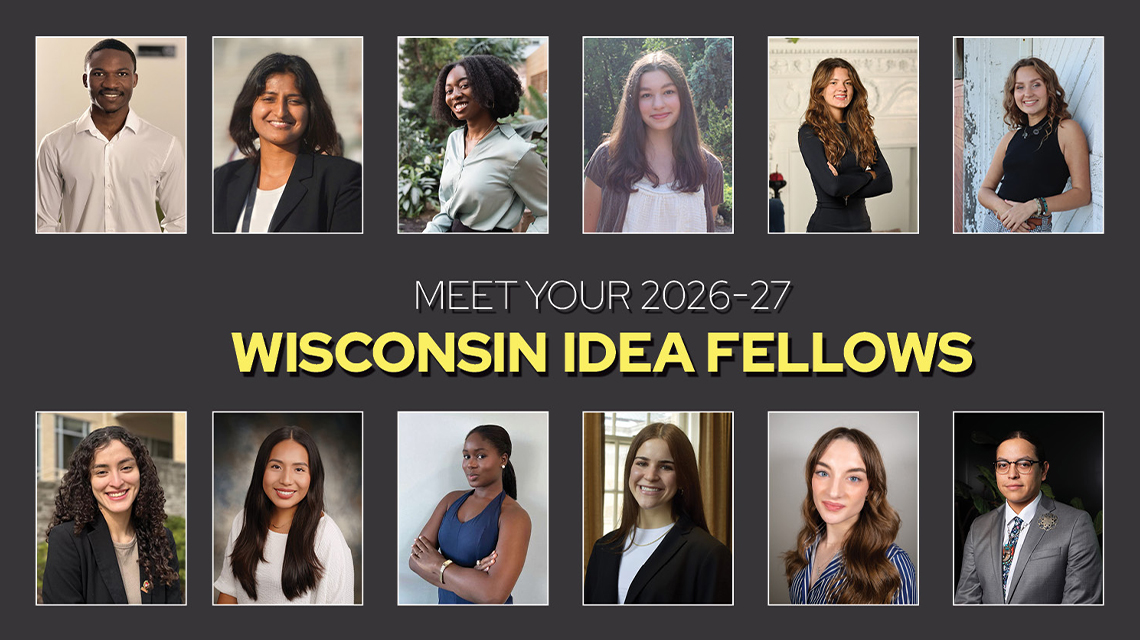
2026-27 Wisconsin Idea Fellowships Awarded to Nine Projects
A total of 12 UW–Madison undergraduate students are part of this year’s projects, sponsored by the Morgridge Center for Public Service.
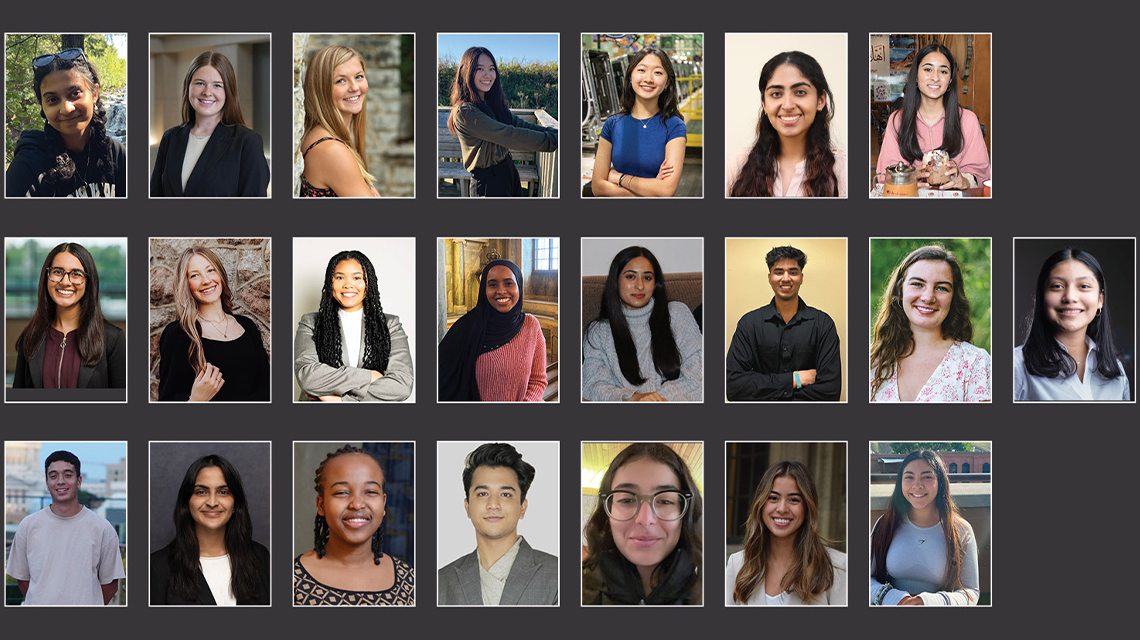
2025-26 Wisconsin Idea Fellowships Awarded to Ten Projects
A total of 23 UW–Madison undergraduate students are part of this year’s projects, sponsored by the Morgridge Center for Public Service.
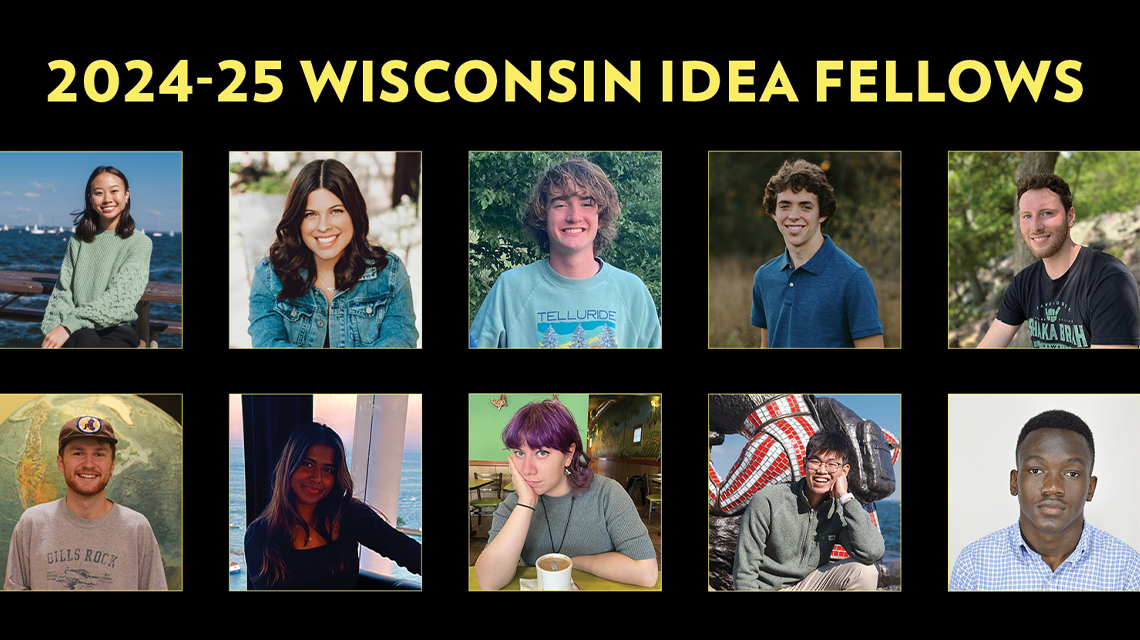
2024-25 Wisconsin Idea Fellowships Awarded to Five Projects
A total of 12 UW–Madison undergraduate students are part of this year’s projects, sponsored by the Morgridge Center for Public Service.
Students also aren’t expected to leave these sessions with every piece of their project figured out. Luu and the WIF team instead hope students leave with a better idea of what their next steps should be. More importantly, Luu hopes that at minimum, they know who to turn to when they have questions.
“I hope they walk away with an excitement for how to apply,” Luu says. “That they feel confident knowing how the application process works, and most importantly, they know who to reach out to.”
Information Session Dates for 2027-28 Interested WIF Applicants: Sign up to attend an info session.
Tuesday, Sept. 29 from noon-1pm at the Morgridge Center for Public Service
Wednesday, Oct. 14 from 6-7pm at the Morgridge Center for Public Service
Thursday, Oct. 29 from 4:30-5:30pm via Zoom
More Dates: to be announced
For Luu, helping students answer questions is at the core of what she does as a WIF graduate mentor. Her role helps potential applicants navigate the entire process, begin developing their budgets, work through their ideas, and identify potential advisors and community partners.
Building those relationships is one of the most common challenges students face during the developmental stages of their projects. Without them, an idea can’t move forward as a WIF project.
To help students think through that process, Luu encourages them to imagine their project as a triangle. The student occupies one corner, but they need to identify the other two: an academic advisor and a community partner.
“The most important thing for them is: ‘do you have those supports and relationships built out?’” Luu says. “What is the ecosystem in which this idea could live?”
Those relationships help transform an applicant’s idea into a tangible project designed around the priorities of the community it is meant to serve. Some students come to the info sessions with prior relationships to an organization, while others may have an advisor but no community partner, and some may not have either. In cases like these, Luu helps determine what they need and gives them tools to begin building those relationships.
When possible, the earlier applicants establish those connections, the better.
“It’s easier to find a community partner in September when the application is due in February than it is to try to build a connection in January,” Luu says.
Students also have to consider the logistical realities of their project: how it will fit alongside a full academic course load, whether it can be pursued while studying abroad, how long it will take, and whether it can be completed before graduation. Luu encourages them to think about where their project fits within their individual undergraduate experience, acknowledging that no project — and no student’s path through WIF — looks the same.
This type of support doesn’t end with info sessions. Students who continue to have questions or need developmental support can schedule one-on-one meetings with Luu throughout the semester. As the application deadline gets closer, her role shifts from foundational support toward assisting students with the details of their applications.
From November through mid-January, applicants can submit drafts during a feedback window and receive comments from Luu before their materials reach the final review committee. The drafts don’t have to be complete. Students can submit individual sections, budgets or other in-progress pieces, and then meet with Luu afterward to discuss her feedback and their next steps.
“I think of myself as providing a safe space for them to really think about things that are still taking form without feeling like they’re being evaluated right away,” Luu says.
The projects that eventually emerge from this process can take vastly different forms. No project idea, community partner or even location is necessarily the same. Projects can take place across the world or right here in Madison, addressing different issues alongside communities with different needs.